

Amplification: How Seoul’s Best Brands Stop Shouting and Start Being Quoted
The Third Driver in the K-Culture Playbook
In Seoul, the brands that reach cultural genre status don’t buy their way there. They design experiences worth sharing and build systems that let the community carry the story. Here’s how the Amplification Driver actually works.
Amplification in Seoul is not about media spend. It’s about building a system where owned, earned, and paid media operate as a single integrated loop — and where the community’s voice travels further than the brand’s alone. The brands achieving K-culture genre status are the ones the media ecosystem chooses to quote, not the ones paying to be heard.
The Paradox at the Heart of Korean Amplification
Here is the counterintuitive truth about building brand reach in Seoul: the harder a brand tries to amplify itself, the less cultural authority it carries.
This is not just a philosophical observation. It reflects a real and observable dynamic in how Korean consumers respond to brand communication. Paid media can generate impressions. Celebrity partnerships can generate conversation. But neither of those things, on their own, generates the kind of cultural legitimacy that makes a brand a genre.
Cultural legitimacy in Seoul is granted by the media ecosystem, not declared by the brand. It happens when editors, creators, and communities choose — without being paid to — to make the brand part of the conversation they’re already having. That choice is the signal. And the only way to earn it is to be genuinely worth including.
The Amplification Driver is the framework for creating those conditions systematically.
Owned, Earned, Paid: One Loop, Not Three Channels
Most brand marketing frameworks treat owned, earned, and paid media as three separate channels — each with its own budget, its own KPIs, and its own team. In Seoul’s cultural media landscape, that separation is the root cause of most amplification failures.
The brands that build genuine cultural reach in Seoul operate these three things as a single integrated loop, with each element feeding the next in sequence.
Owned is the brand’s consistent voice — the Instagram channel, the key visuals, the always-on content. It’s where the brand establishes the signal: the aesthetic, the story, the community it’s part of. Owned media is not the end goal. It is the foundation that makes earned media possible.
Earned is cultural credibility. When editors, creators, and communities choose to tell the brand’s story — without being paid to — it travels further and carries more weight than any paid placement. Earned media is the most valuable layer of the system, and it cannot be manufactured. It has to be deserved. The experience has to be genuinely worth sharing. The story has to be genuinely worth telling.
Paid is scale. Not manufacturing attention from scratch, but extending the reach of what’s already working. In a well-functioning amplification system, paid media amplifies earned signals — boosting content that the community has already validated, reaching new audiences with a story the community has already confirmed is real.
The journey moves in one direction: Offline Moment → Creator Signal → Platform Pickup → Community Proof → Cultural Fandom. At each stage, the brand’s job is to enable the next stage — not to control the story, but to create conditions where the story can travel further than the brand could carry it alone.
What “Earned” Actually Means in the Seoul Context
The word “earned” is used freely in marketing, but in Seoul’s media ecosystem, it has a specific meaning that’s worth understanding precisely.
The most powerful media voices in Seoul’s fashion and lifestyle space are not press offices or traditional publications. They are Instagram-native editorial accounts — curated channels with loyal, highly specific communities that follow them the way they would follow a trusted friend with excellent taste.
These accounts are not transactional. They don’t cover brands because they were pitched. They cover brands because the brand produced something genuinely worth talking about. Their editorial judgment is the source of their community’s trust — and they protect it accordingly.
When one of these accounts features a brand organically, it’s not a media placement. It’s a community endorsement. The brand has been invited into a conversation that was already happening. That distinction carries enormous weight with the audience.
For brands trying to earn this kind of coverage, the implication is clear: the work has to come first. The experience has to be real. The story has to matter to the community before it can matter to the editor.
The Swatch Korea Case: 350+ Media Impressions, Not Bought
Of all the amplification cases we’ve observed in the Seoul market, Swatch Korea’s Neon Music Night event illustrates the earned media principle most clearly.
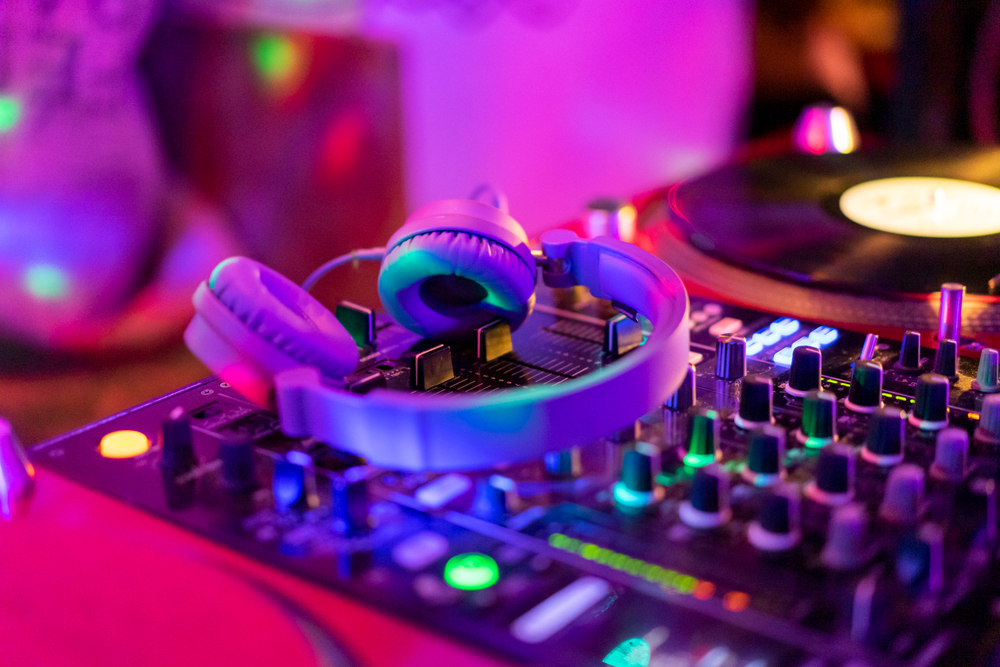
To launch the NEON collection, the event was designed around a genuine cultural idea: connecting the Swatch brand to Seoul’s urban identity through music, art, and the energy of the city’s nightlife. The activation included a live performance by a well-known Korean hip-hop artist, a commissioned neon art installation by artist Yoon Yeojun inspired by Seoul’s night skyline, and a curated guest list of fashion media editors and brand-aligned creators.
The art installation was designed not as decoration, but as the event’s primary visual — the place everyone would photograph, the image that would anchor all coverage.
The result was over 350 total media impressions across press coverage and creator posts — none of which were purchased placements. They were earned because the event was genuinely worth covering: it had a specific cultural point of view, it produced beautiful images, and it connected the brand to a Seoul cultural moment in a way that felt authentic rather than opportunistic.
The media ecosystem didn’t cover the event because it was told to. It covered the event because the event was a real cultural story.
The Adidas Seoul Case: When the Venue Is the Campaign
One of the most studied examples of the Amplification Driver in recent Seoul history came from an activation that looked, on paper, like an unlikely premise: a global sportswear brand, a Jongno arcade, and an unexpected celebrity pairing.
Adidas didn’t commission a conventional pop-up. They engineered a scene — a specific, visually improbable moment that the community couldn’t have predicted and couldn’t stop sharing. The result was content that spread organically, not because Adidas pushed it, but because the combination of a global cultural figure and a hyper-local Seoul space produced something the community found genuinely remarkable.
What made it work was the specificity. Korean arcade culture is a specific, community-rich scene with its own rituals and social meaning. By placing the activation inside that scene — not beside it, not adjacent to it, but within it — the brand became temporarily part of that community’s story. And because the community distributed the story themselves, it traveled far beyond the original audience.
The highest-performing content from the campaign was not the paid media. It was the organic community reaction. When a brand speaks the community’s language, the community becomes the distribution engine.

The OB Beer/Cass Lesson: Media Ecosystem as Cultural Infrastructure
Perhaps the most transferable amplification lesson from outside the fashion category comes from the beer market.
When Cass became the official Korean beer partner for a major international sporting event, the challenge wasn’t creating awareness — it was earning cultural legitimacy. There’s a significant difference between those two things, and it’s precisely the difference that the Amplification Driver is designed to address.
Rather than relying on announcement-style press releases and traditional media buys, the amplification strategy activated a network of digital lifestyle publications and Instagram-native editorial accounts. The goal was not to announce the partnership. It was to weave it into the fabric of what people were already reading, watching, and sharing.
The coverage didn’t feel like PR. It felt like the story belonged in those spaces — because it was placed in publications that the relevant audiences already trusted, in a voice that felt native to those communities.
The lesson this case teaches is one of the most important in the Amplification Driver playbook: in Korea, genre status is not declared by a brand. It is granted by the media ecosystem that surrounds it. When the right publications, creators, and communities begin to treat a brand as a cultural reference point rather than a product to be reviewed, the brand has crossed over. It is no longer being marketed. It is being quoted.
Why the Amplification Loop Must Start with Something Real
It’s tempting to approach the Amplification Driver as a media strategy — a question of channel mix, budget allocation, and timing. But that framing misses the foundational requirement.
The amplification loop only works if there is something real to amplify.
A brand with genuine community behind it — built through the Discovery and Engagement Drivers — doesn’t need to manufacture attention. It needs a system that lets the right voices carry the story further than the brand could alone. That system is the Amplification Driver.
A brand without genuine community behind it can buy reach. It can generate impressions. It can get coverage. But it cannot create the self-sustaining loop where community, creators, and media all point at the brand as a cultural reference. That loop requires the raw material of authentic community trust.
This is why the three drivers work as a sequence, not as independent options. Discovery builds the initial community. Engagement deepens and sustains trust. Amplification takes what community and trust have created and carries it to the scale of culture.
Building Your Amplification Infrastructure in Seoul
For global brands looking to build this system in the Korean market, the practical questions are worth spelling out.
Which earned media accounts in your category actually matter? Not by follower count, but by community trust. The accounts whose editorial judgment the relevant communities follow are not always the ones with the largest audiences.
Is your owned media consistent enough to be the foundation for an amplification system? Earned media cannot sustain a brand that isn’t consistently visible in its own channels. The owned layer has to be operating before the earned layer can be activated.
Are you amplifying things the community has already validated, or creating content for paid distribution? The sequence matters. Organic validation first, paid amplification second.
Do you have relationships with the editorial accounts, community organizers, and platform partners who generate earned coverage in your category? These relationships take time to build. They can’t be activated on demand at campaign launch.
The Final Article: Vision, Not Just Framework
The three drivers — Discovery, Engagement, Amplification — form a complete system. But a system without a destination is just infrastructure.
In the final article of this series, we turn from framework to vision: what does it actually look like when a brand commits to this path fully? What communities are already waiting? And what does it mean to be a brand that Seoul’s creative generation doesn’t just buy — but belongs to?
HyperM is a Seoul-based strategic marketing agency with 24 years of experience helping global brands build cultural presence in the Korean market. This series draws on our direct market experience and observation of the Seoul brand landscape. Contact: Enquiry@hyperm.co.kr